


Solar energy is one of the fastest-growing clean energy sources in the world. But if you’re new to solar, you may still be wondering: how do solar panels work?
The good news is that solar panels are not as complicated as they sound. In fact, the basic process is simple: solar panels capture sunlight and convert it into electricity you can use in your home.
What Are Solar Panels?
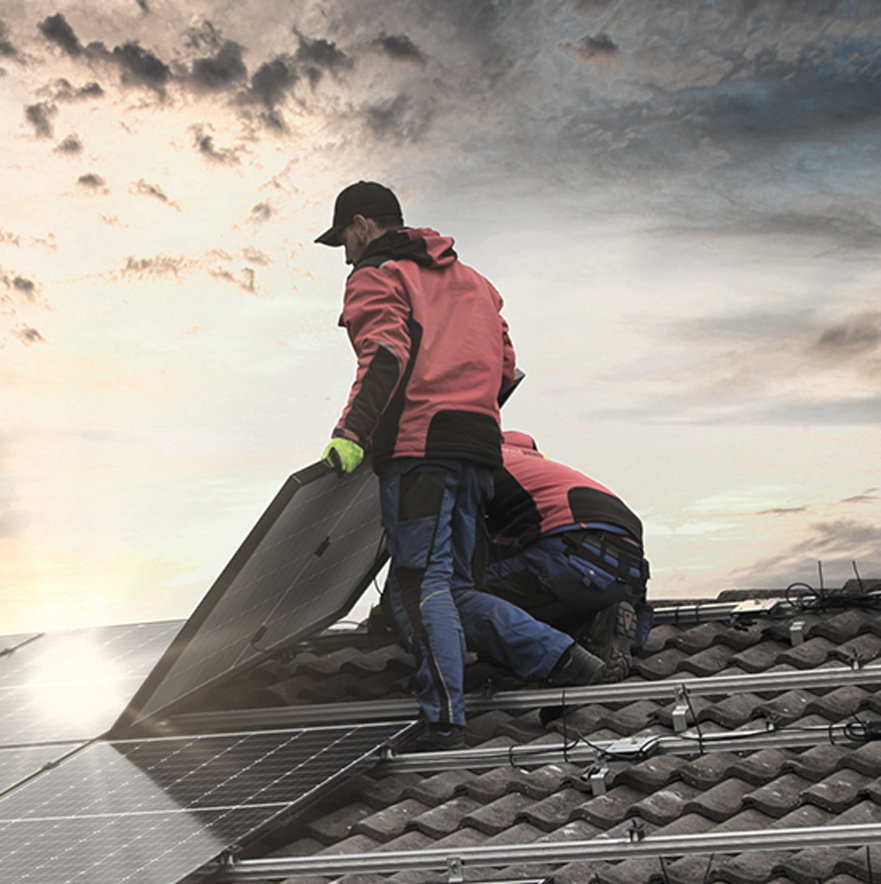
Solar panels are devices that turn sunlight into electricity. They are usually installed on rooftops, but they can also be mounted on the ground.
Most solar panels are made from silicon, a material that can produce electricity when exposed to sunlight.
In other words, solar panels work by using the sun’s energy instead of relying only on the electric grid.
How Do Solar Panels Work? (Step-by-Step)
To understand how solar panels work, it helps to break the process into clear steps.
1. Solar Panels Absorb Sunlight
First, sunlight hits the solar panels on your roof.
Each panel contains many small units called solar cells (also known as photovoltaic cells).
These cells are designed to capture sunlight efficiently, even on cloudy days.
2. Solar Cells Create Direct Current (DC) Electricity
Next, the solar cells convert sunlight into DC electricity.
This happens through a process called the photovoltaic effect.
Here’s the simple version:
- Sunlight contains tiny energy particles called photons
- Photons hit the silicon in the solar cell
- This knocks electrons loose
- The moving electrons create an electric current
That electric current is DC power.
3. The Inverter Converts DC to AC Power
Most homes do not run on DC power. They run on AC electricity (alternating current).
So, your solar system uses a device called an inverter.
The inverter converts DC electricity into AC electricity so your home can use it.
Without an inverter, your solar panels wouldn’t be able to power your lights, appliances, and outlets.
4. Your Home Uses the Solar Electricity First
Once the inverter converts the power, the electricity flows into your home.
Your home automatically uses the solar energy first.
For example, solar energy can power:
- lights
- fans
- TVs
- refrigerators
- air conditioners
- washing machines
- Wi-Fi routers
This reduces the amount of electricity you need from the utility company.
5. Extra Solar Energy Goes to the Grid (Net Metering)
If your solar panels produce more electricity than your home needs, the extra power flows back to the electric grid.
This is where net metering may apply.
With net metering:
- your meter tracks the extra electricity you send out
- you may receive credits
- you can use those credits later at night or in winter
However, net metering rules depend on your location.
6. At Night, You Use Grid Power (Or Battery Power)
Solar panels do not produce electricity at night because they need sunlight.
So, when the sun goes down, your home will use:
- electricity from the grid, OR
- electricity stored in a solar battery
If you have a battery system, you can store solar power during the day and use it later.
What Happens When It’s Cloudy or Raining?
Many people think solar panels stop working when the weather is bad. That is not true.
Solar panels still produce electricity on cloudy or rainy days. However, they usually produce less power than they do in full sunlight.
In most cases, a solar system is designed to handle seasonal changes.
Benefits of Solar Panels
Now that you understand how solar panels work, here are some of the biggest benefits.
Solar energy can help you:
- lower your electricity bill
- reduce your carbon footprint
- increase home value
- protect against rising utility rates
- gain energy independence
In addition, many areas offer tax credits and rebates.
Are Solar Panels Worth It?
For many homeowners, yes.
Solar panels are often worth it if:
- your electric bill is high
- your roof gets good sunlight
- your area has incentives
- you plan to stay in your home for several years
However, solar is not a one-size-fits-all solution.